





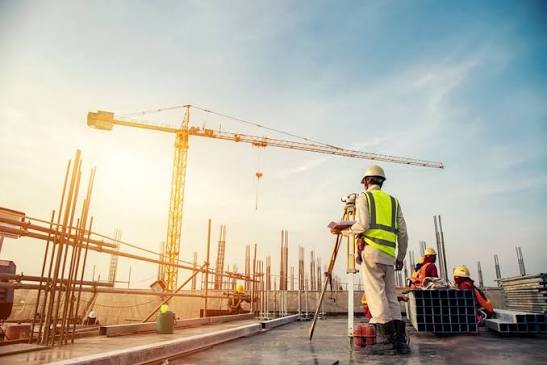
Modern cities, transportation systems, energy networks, and commercial developments all depend on high-quality infrastructure engineering and construction. From roads and bridges to water systems, airports, industrial facilities, and mixed-use developments, infrastructure provides the foundation that supports economic growth and improves everyday life. As populations expand and technology advances, the demand for resilient, sustainable, and efficiently managed infrastructure projects continues to increase.
Delivering successful infrastructure projects requires far more than technical knowledge. It involves strategic planning, collaboration among stakeholders, effective risk management, and the ability to adapt to changing project requirements. Instrata recognizes that engineering teams, construction professionals, developers, and project managers must work together to balance cost, quality, safety, and long-term performance while meeting strict regulatory standards.
Why Infrastructure Engineering and Construction Is Essential
Infrastructure is one of the most significant investments any community or organization can make. Well-designed infrastructure improves mobility, supports businesses, strengthens public services, and creates opportunities for economic development. Whether constructing transportation corridors, utility networks, healthcare facilities, educational institutions, or commercial properties, every project contributes to the broader goal of creating functional and sustainable environments.
Successful infrastructure engineering and construction projects help achieve several important objectives, including:
- Supporting regional and economic development
- Improving transportation efficiency and accessibility
- Enhancing public safety and reliability
- Increasing environmental sustainability
- Extending the lifespan of critical infrastructure assets
- Creating long-term value for communities and businesses
Each project presents unique technical, environmental, and operational challenges that require experienced planning and execution from the earliest design stages through final construction.
The Importance of Comprehensive Planning
Every successful infrastructure project begins with detailed planning. Before construction starts, project teams evaluate site conditions, regulatory requirements, environmental considerations, available resources, project budgets, and potential risks. Early planning reduces costly delays, improves scheduling accuracy, and allows stakeholders to make informed decisions throughout the project lifecycle.
Effective planning typically includes:
- Site investigations and feasibility studies
- Environmental assessments
- Budget forecasting
- Scheduling and milestone development
- Resource allocation
- Risk identification and mitigation planning
- Regulatory compliance reviews
Investing time in comprehensive planning helps create a more predictable construction process while minimizing unexpected challenges during project execution.
Technology Is Transforming Modern Infrastructure Projects
Digital innovation has significantly changed the way infrastructure projects are designed, managed, and delivered. Modern engineering and construction teams increasingly rely on advanced technologies to improve collaboration, streamline workflows, and reduce project risks.
Common technologies include:
- Building Information Modeling (BIM)
- Geographic Information Systems (GIS)
- Drone surveying and aerial inspections
- Digital project management platforms
- 3D laser scanning
- Artificial intelligence for predictive planning
- Real-time construction monitoring
These tools provide greater visibility throughout every phase of construction, allowing project teams to identify issues earlier, improve coordination, and maintain better control over schedules and budgets.
Sustainability Is Becoming a Core Project Priority
Sustainability has become an essential component of modern infrastructure engineering and construction. Organizations increasingly recognize the importance of designing infrastructure that balances economic growth with environmental responsibility.
Sustainable infrastructure practices may include:
- Energy-efficient building systems
- Low-carbon construction materials
- Water conservation strategies
- Stormwater management solutions
- Waste reduction during construction
- Renewable energy integration
- Environmentally responsible site development
Incorporating sustainability into project planning not only supports environmental goals but can also reduce long-term operating costs and improve infrastructure resilience.
Managing Risk Throughout the Project Lifecycle
Large-scale infrastructure projects often involve multiple contractors, regulatory agencies, suppliers, and stakeholders. This complexity makes proactive risk management essential for maintaining project performance.
Common project risks include:
- Supply chain disruptions
- Labor shortages
- Design changes
- Weather-related delays
- Budget fluctuations
- Regulatory updates
- Safety incidents
Risk management strategies involve continuous monitoring, regular communication, contingency planning, and ongoing project evaluation. Identifying potential issues early allows project teams to respond quickly before minor challenges become major obstacles.
Collaboration Drives Better Project Outcomes
Infrastructure projects succeed when engineers, architects, construction professionals, consultants, owners, and regulatory agencies work together throughout the project lifecycle.
Strong collaboration provides several advantages:
- Faster decision-making
- Improved design coordination
- Better budget control
- Reduced construction conflicts
- Greater transparency
- Higher project quality
- Improved stakeholder satisfaction
Open communication helps ensure everyone remains aligned with project objectives while responding efficiently to changing requirements.
Quality and Safety Remain Top Priorities
High-quality infrastructure depends on consistent quality assurance and strict safety standards. Construction teams follow established procedures to verify materials, inspect completed work, and maintain compliance with engineering specifications.
Key quality practices include:
- Regular inspections
- Material testing
- Construction documentation
- Compliance audits
- Continuous quality improvement
Likewise, comprehensive safety programs protect workers, contractors, visitors, and surrounding communities. Strong safety cultures reduce incidents while improving productivity and project reliability.
Preparing Infrastructure for Future Demands
Communities continue to evolve, creating new demands for transportation, utilities, communications, healthcare, and commercial development. Infrastructure must be designed with flexibility and long-term resilience in mind.
Forward-thinking infrastructure projects increasingly incorporate:
- Smart city technologies
- Climate resilience planning
- Digital infrastructure integration
- Scalable utility systems
- Adaptive transportation solutions
- Future maintenance considerations
Planning for future growth helps maximize infrastructure investments while reducing the need for major upgrades later.
Selecting the Right Infrastructure Partner
Choosing an experienced engineering and construction partner can significantly influence project success. Beyond technical capabilities, organizations should evaluate a partner’s project management approach, communication practices, industry experience, safety record, and ability to deliver complex projects efficiently.
Important qualities to consider include:
- Proven industry expertise
- Strong project management capabilities
- Transparent communication
- Commitment to innovation
- Comprehensive risk management
- Focus on quality assurance
- Sustainable project delivery
An experienced partner understands how to balance technical excellence with practical execution while meeting project objectives and stakeholder expectations.
Conclusion
Infrastructure investments shape communities for decades, making thoughtful planning and expert execution essential. Modern infrastructure engineering and construction combines engineering excellence, innovative technology, sustainable practices, and collaborative project management to deliver infrastructure that supports economic growth, improves quality of life, and withstands future challenges.
Organizations that prioritize comprehensive planning, risk management, quality assurance, and long-term resilience are better positioned to deliver successful infrastructure projects that create lasting value. Instrata supports these objectives by providing professional expertise across complex infrastructure projects, helping clients navigate challenges while delivering reliable, sustainable, and high-performing infrastructure solutions for the future.
