




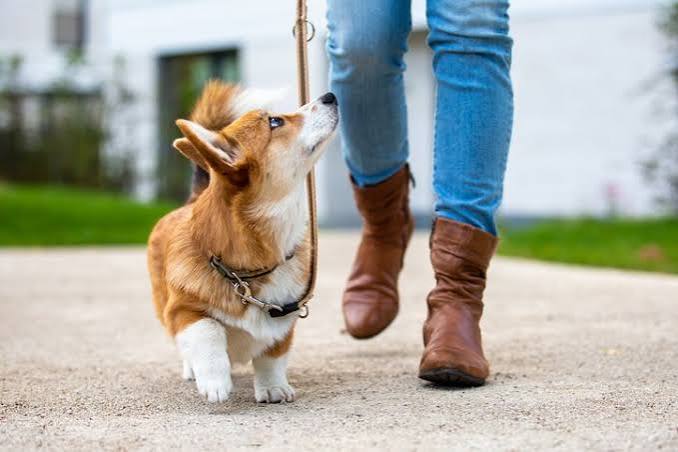
Walking a dog should be an enjoyable part of daily life, but pulling, lunging, and constant distractions can make even a short walk difficult. Good leash manners help dogs navigate different environments safely while making walks more comfortable for their owners. With consistent practice, clear communication, and appropriate rewards, dogs can learn to walk calmly without constantly pulling toward interesting sights and smells.
For owners looking to improve everyday walking habits, Rob’s Dog Training emphasizes the importance of developing reliable behavior through structured training and consistent handling. Dog training for better leash manners starts with understanding why dogs pull and learning how to reinforce desirable walking behaviors through consistent practice.
Why Do Dogs Pull on the Leash?
Pulling is a common walking behavior, particularly in dogs that have not learned how to respond consistently to leash guidance. Dogs naturally move at different speeds from people, and the outside environment offers numerous distractions that compete for their attention.
Several factors can contribute to leash pulling:
- Excitement: Dogs may pull toward other dogs, people, interesting smells, or unfamiliar surroundings.
- Limited training: Without clear guidance, dogs may not understand that walking beside their owners is the expected behavior.
- Reinforced habits: If pulling allows a dog to reach something interesting, the behavior can become more frequent.
- Insufficient impulse control: Some dogs struggle to manage their excitement when encountering stimulating environments.
- Inconsistent handling: Different walking expectations can make it difficult for dogs to understand which behaviors are appropriate.
Recognizing the reason behind pulling makes it easier to choose suitable training techniques. Rather than treating every instance of pulling as disobedience, owners should consider what motivates the behavior and teach an alternative response.
Dog Training for Better Leash Manners Starts at Home
One of the most effective ways to improve walking behavior is to introduce basic leash skills in a familiar, low-distraction environment. Starting indoors allows dogs to focus on their owners without competing with unfamiliar people, animals, traffic, and outdoor sounds.
Begin by attaching a suitable leash and allowing the dog to become comfortable wearing it. Reward calm behavior, voluntary attention, and moments when the dog naturally stays close.
Practice these foundational exercises:
- Reward attention: Say the dog’s name and reward them when they look toward you. This encourages engagement and makes it easier to redirect attention during walks.
- Practice walking beside you: Take a few steps and reward the dog for remaining near your preferred walking position.
- Introduce changes in direction: Gently change direction and reward the dog for following without pulling.
- Reinforce calm behavior: Reward moments when the leash remains loose, even if the dog is only walking calmly for a few seconds.
Keep early sessions short and manageable. Several brief practices throughout the day can be more productive than one long session that leaves the dog frustrated or distracted.
How to Teach a Dog to Walk on a Loose Leash
Loose-leash walking means the dog can move comfortably without creating constant tension on the leash. It does not necessarily require the dog to remain in a strict heel position throughout the entire walk.
The objective is to establish a walking pattern in which the dog can explore while remaining responsive to the handler.
Stop When the Leash Becomes Tight
When a dog pulls forward, stop walking rather than allowing the tension to continue. Wait for the dog to turn toward you, move closer, or release the pressure before continuing.
This teaches an important association: pulling does not move the walk forward, while a loose leash allows the activity to continue.
Consistency matters. If pulling sometimes results in reaching an exciting destination, the dog may continue trying the same behavior.
Reward the Behavior You Want
Positive reinforcement helps dogs understand which actions lead to desirable outcomes. Use small treats, verbal praise, or access to interesting surroundings as rewards.
For example, reward your dog when they walk beside you with a relaxed leash. Gradually increase the number of steps required before delivering a reward as the behavior becomes more reliable.
Change Direction to Regain Attention
If your dog repeatedly moves ahead or becomes distracted, change direction before the leash becomes excessively tight. Reward the dog for noticing the change and following you.
This exercise encourages dogs to pay attention to their handlers rather than assuming that the walk always moves in the direction they choose.
Managing Distractions During Dog Walks
Even dogs that behave well indoors may struggle when exposed to outdoor distractions. Other animals, unfamiliar people, bicycles, vehicles, and sudden noises can make it difficult to maintain attention.
Instead of immediately practicing in busy locations, introduce distractions gradually.
Start in a quiet outdoor space where your dog can observe the environment without becoming overwhelmed. Reward attention and calm responses before moving closer to more stimulating areas.
A useful approach is to adjust the distance between your dog and the distraction. If your dog can notice another animal while remaining relaxed and responsive, reward that behavior. If they begin barking, lunging, or pulling intensely, increase the distance and allow them to settle.
Avoid forcing dogs into close encounters when they are uncomfortable. Giving them enough space to process unfamiliar situations can support better responses over time.
Choosing the Right Equipment for Better Leash Control
Walking equipment can influence comfort, safety, and handling. However, equipment alone does not teach a dog how to walk appropriately. Training remains essential for developing consistent leash behavior.
Consider the following options:
- Standard fixed-length leash: Provides straightforward handling and makes it easier to maintain consistent leash control during training.
- Well-fitted harness: Can provide a comfortable alternative for dogs that experience pressure around the neck. A front-clip design may also help some owners manage pulling.
- Flat collar: Can be appropriate for dogs that already walk calmly and respond reliably to leash guidance.
- Treat pouch: Keeps rewards accessible, allowing owners to reinforce desirable behavior immediately.
Equipment should fit properly and allow comfortable movement. Avoid relying on excessive pulling, sudden leash corrections, or equipment that causes pain or distress.
For dogs with persistent pulling or reactivity, professional guidance can help determine which equipment and training approach are appropriate.
Common Leash Training Mistakes to Avoid
Progress can become inconsistent when owners unintentionally reinforce unwanted walking behaviors. Recognizing common mistakes helps make training more effective.
Allowing occasional pulling: If dogs are sometimes permitted to pull toward exciting distractions, they may struggle to understand when pulling is unacceptable. Establish consistent expectations across walks.
Expecting immediate results: Leash skills develop through repetition. Dogs may need considerable practice before responding reliably in unfamiliar environments.
Using overly long training sessions: Extended sessions can cause frustration, particularly when dogs are exposed to too many distractions. Keep exercises short and end on a manageable success.
Repeating commands without reinforcement: Constantly repeating a cue without guiding or rewarding the desired response can reduce its effectiveness. Give clear instructions and reinforce successful behavior.
Moving to difficult environments too quickly: A dog that walks calmly in the backyard may not be ready for a crowded sidewalk. Increase environmental difficulty gradually.
Avoiding these mistakes helps establish clearer expectations and gives dogs more opportunities to succeed.
Building Consistency Through Daily Walking Routines
Leash training should not be limited to formal practice sessions. Everyday walks provide opportunities to reinforce attention, patience, and appropriate responses to distractions.
Establish a predictable routine that includes a few minutes of focused training, opportunities for sniffing and exploration, and periods of relaxed walking.
Different family members should also follow similar handling expectations. When everyone responds consistently to pulling and rewards loose-leash behavior, dogs receive clearer feedback.
It is equally important to recognize that progress may vary depending on age, temperament, previous experiences, and individual learning needs. Some dogs may improve quickly in familiar environments but require additional practice around other animals or busy streets.
Track small improvements rather than expecting every walk to be perfect. Longer periods of relaxed leash walking, quicker responses to attention cues, and fewer pulling incidents are all meaningful signs of progress.
Develop Better Walking Habits Through Consistent Training
Dog training for better leash manners focuses on teaching dogs what to do rather than simply correcting unwanted behavior. Clear communication, appropriate rewards, gradual exposure to distractions, and consistent handling all contribute to more dependable walking behavior.
Dog owners who commit to regular practice can help their pets develop greater self-control and become more comfortable in different outdoor environments. For dogs that continue to struggle with pulling, lunging, or reactivity, Rob’s Dog Training can provide professional guidance and a structured approach to improving walking behavior.
With patience and realistic expectations, everyday walks can become safer, calmer, and more enjoyable for both dogs and their owners.